Research & Professional Beta · US & Canada · Open now

Help us build peer mentorship for diabetes that actually works.

We are building a platform where people living with diabetes are supported by trained peer Mentors — grounded in behavioral science, powered by AI, and designed to provide the structured daily support that clinical care alone cannot deliver.

We are in beta. We do not have all the answers. We are looking for healthcare educators, researchers, and community organizations who want to help us find them — together.

This is a Todai Health volunteer co-research program, not a clinical trial.

Why we need you

The healthcare system was not built for daily life with diabetes. Peer support and AI are filling the gap — and the evidence is building.

The United States has over 40 million people living with diabetes — diagnosed and undiagnosed. Most of them navigate the condition largely alone, in the vast majority of time that falls between clinical appointments.

The average primary care appointment lasts around 15 to 18 minutes. People with diabetes typically see their doctor or specialist a few times a year. Clinical care addresses acute needs, prescriptions, and labs. The behavioral, emotional, and social dimensions of daily self-management — the decisions that drive long-term outcomes — are largely left to the patient alone.

This is not a failure of individual clinicians. It is a structural problem. The cost of clinical time makes it impossible to deliver the volume of daily support that chronic disease management actually requires. According to the AAMC's 2024 report, the United States is projected to face a shortage of up to 86,000 physicians by 2036 — and rising out-of-pocket costs are already placing regular specialist visits out of reach for many. The gap between what the healthcare system provides and what people with diabetes actually need is widening, not closing.

Prevention and self-management education are the most cost-effective interventions in chronic disease. But they are also the ones the clinical system is least equipped to deliver at scale. That is where peer support and technology step in — not to replace clinical care, but to safely and effectively support the daily work that clinical appointments cannot cover.

Sixty years of published research confirm that people with lived experience of a condition guide others through it more effectively than clinical instruction alone. A 2024 systematic review of randomized controlled trials found peer support associated with significant HbA1c reductions in six out of nine diabetes studies, including telehealth-facilitated programs.

But research also shows where peer support fails. A 2020 randomized clinical trial published in JAMA Network Open (Long et al.) tested peer mentoring for veterans with poorly controlled diabetes and found no significant improvement in glycemic control — with the authors identifying the absence of structured training and consistent quality control as the core limitation.

That is precisely the gap Todai Health is built to close. Trained Mentors. Structured sessions. Real-time AI oversight. A platform designed to make peer support rigorous enough to work reliably.

We cannot build that without people who understand the science, know the community, and are willing to work on it with us.

Who this is for

Three types of collaborators. One goal.

We are not looking for institutional partnerships or hospital system contracts. We are looking for individuals and small teams who move fast, think carefully, and genuinely care about what happens to people living with diabetes between appointments.

Track 1

Diabetes health coaches & prevention educators

You already do what Todai Health is trying to scale. You work directly with people managing diabetes — in coaching sessions, group programs, or prevention curricula. You know what moves people and what does not.

What you may be looking for

Research published in 2025 in PLOS Digital Health found practitioners are most receptive to technology that extends — rather than replaces — their methods, with data continuity between sessions as a key factor. You want a tool that works alongside what you already do and gives demonstrable results. That is what we are building. The coaches who engage earliest will shape it most.

What this collaboration looks like

You evaluate the platform from a practitioner perspective — the Care Mentor certification program, the session design, the daily tools. You give us structured, honest feedback on what reflects real behavior change and what does not. If you work with people who meet our eligibility criteria, referrals are welcome but not required.

What you get

  • Full platform access and a direct line to the founding team
  • Your feedback drives real product decisions
  • Recognition as a contributing professional partner in beta documentation
  • Early access to practitioner features as they develop

Apply to join — Professional Practice track. If you already sent us an email, no need to submit this form again.
Track 2

Patient advocacy groups & community organizations

Your community is already using apps, programs, and peer networks to manage diabetes. Some serve them well. Some do not. The difference, most of the time, is whether the people who built the tool understood the daily reality of the people using it.

What you may be looking for

You want to be inside the room where decisions are made — not handed a finished product and asked to promote it. You want to protect the trust your community has placed in you by ensuring tools built for them are genuinely shaped by them. And you want to work with organizations that treat that trust as the asset it is, not as a distribution channel.

What this collaboration looks like

You review how we communicate about diabetes and our program. You tell us where the platform design fails to reflect the real needs of the people you serve. You nominate Members and Care Mentors from your community for the cohort if appropriate. And if something does not reflect what your community actually needs, we want to hear it directly.

What you get

  • A genuine co-creation role, not a press release mention
  • Access to beta findings for your own advocacy and programming
  • The ability to shape how the platform speaks to your community
  • A direct relationship with the founding team throughout the program

Apply to join — Community Partnership track. If you already sent us an email, no need to submit this form again.

Track 3

Behavioral researchers & academic observers

The combination of live AI-monitored peer sessions, longitudinal self-reported behavioral data, and a structured diabetes self-management intervention is rare in research settings — and building it from scratch takes years. We have built it and it is up and running.

What you may be looking for

You want access to real behavioral data in a domain where most digital health studies are difficult to run without institutional infrastructure and lengthy IRB processes. You want a publication path that is genuinely available — not a promise that disappears once the company gets what it needs. And you want to be early to a research question that is growing fast. A 2021 paper in Frontiers in Clinical Diabetes and Healthcare (Tang et al.) concluded digital self-management apps and peer coaching are complementary. A 2022 RCT (Sharma et al., EMNLP) found real-time AI feedback to peer supporters increased measured empathy by 19.6% overall — and 38.9% among supporters who reported difficulty with empathic responses. We are applying that architecture inside a structured diabetes mentorship program.

What this collaboration looks like

You engage with our methodology, review session design and protocol, and receive anonymized aggregated data under a formal agreement. You give structured written feedback — not informal impressions. You contribute to analysis, and if that contribution is substantive, you are on the paper. You are able to commit 2–3 hours per week for up to 12 weeks.

What you get

  • Full methodology documentation and protocol access
  • Anonymized aggregated behavioral data under a formal data-sharing agreement
  • Co-authorship path on a formative feasibility or observational paper
  • Regular direct access to the founding team
  • A first-mover position in a dataset very few platforms are currently generating

Apply to join — Research Observation track. If you already sent us an email, no need to submit this form again.

What you are evaluating

What you will be working with.

Structured 1:1 peer mentorship

Members — people living with diabetes — are matched with trained Care Mentors: peers with at least two years of personal experience managing diabetes, certified through our 2-week program. Weekly 50-minute video sessions, mentor-led and Member-directed. No scripted curriculum. The mentor guides based on what the Member brings each week.

Behavioral science & neuroscience in the architecture

The program is not a feature list. It is an application of what neuroscience and behavioral research tell us about how the brain actually builds new habits.

Micro-goals work because the brain rewards small wins. Each completed step triggers a dopamine response that reinforces the behavior. Over time this rewires the neural pathways — what neuroscience calls neuroplasticity.

Emotional connection between mentor and Member triggers oxytocin release and suppresses cortisol — the stress hormone most directly associated with poor glucose regulation and behavioral avoidance. The trusted peer relationship is not a soft benefit. It is a biological mechanism for making behavior change last.

Longitudinal continuity — session summaries, daily tracking, the same mentor over weeks — is the architecture Bandura identified as the strongest driver of sustained behavior change: social learning through a trusted peer, reinforced by visible progress and consistent accountability.

Daily self-management layer

Mood check-ins, medication reminders, a wellness dashboard, and a diabetes-specific content library. This generates the longitudinal behavioral record that Care Mentors review before each session — and that becomes the data available to research partners.

AI — five distinct functions, one purpose

AI makes structured peer support viable at scale in a way that human oversight alone cannot. It monitors every session in real time, catches what a busy mentor might miss, and enforces safety boundaries consistently — without removing the human connection that makes peer support effective in the first place.

  • Real-time session monitoring Flags risk language and provides Care Mentors with contextual prompts during sessions without disrupting the conversation.
  • Session summaries Structured post-session records capturing themes, goals, and patterns — creating the continuity the brain needs for sustained behavior change.
  • Behavioral pattern analysis Longitudinal analysis of self-reported data to surface trends and early signs of disengagement before they become crises.
  • Coaching support tools Real-time topic navigation for Care Mentors during sessions.
  • Safety protocol Automated risk detection with defined escalation pathways, keeping peer support within safe and ethical limits at all times.

Boundaries

What this is not

  • A clinical service, diagnostic tool, or replacement for medical care
  • An open community forum without trained mentors and oversight
  • AI that expands peer-support boundaries — it exists to enforce them

Peer-support boundaries are enforced throughout. The AI layer supports those boundaries — it does not expand them.

More about safety

Frequently asked

Questions we hear most.

Is this a clinical trial?
No. This is a formative, observational behavioral beta. Not IRB-registered. No control arm. No medical claims. It is the step before a registered study — building the protocol, platform, and preliminary data that would support one.
What data is available to research partners?
Anonymized, aggregated behavioral data — mood trajectories, engagement rates, session themes, self-reported patterns — under a formal data-sharing agreement. No personally identifiable information is shared.
Can I publish findings from observing the beta?
Yes, under a co-authorship agreement for researchers who contribute substantively to analysis and interpretation.
Can I refer Members or Care Mentors from my network?
Yes. Full eligibility and participation details at /beta-testers.
I work at a hospital or large health system. Can we engage?
We are not pursuing institutional partnerships at this stage. If you are an individual clinician, researcher, or educator within a larger organization and want to engage independently, apply here: Beta collaborator application form. If you need to discuss an institutional question first, write to hello@todaihealth.com.
What happens after the beta?
Partners who contribute during the beta will have an ongoing relationship as we grow — toward a larger cohort, a mobile app, and the beginning of formal outcome studies. The people who showed up early are not forgotten.
What is the time and effort commitment?
It varies by track and mutual agreement, but we anticipate an average engagement of 2–3 hours per week for up to 12 weeks. Data collection may happen via focus sessions, surveys, and product interactions. Initial conversations are always without obligation.

Through my almost two decades of working with diabetes — from direct patient care to chronic condition coaching — I've seen the power of human connection in empowering people on their health journeys. We created Todai Health to provide trustworthy, personal guidance through chronic illness. The name Todai evokes a lighthouse (tōdai in Japanese) and “today”: support you can act on now for a lasting positive impact.

A differentiator in our product is the synergy of high tech with high touch. Peer support for diabetes works. What has been missing is a platform rigorous enough to make it work consistently — at scale, safely, and with the behavioral data to prove it.

If you are a health educator who wants your methods validated in a real digital environment, a researcher who wants early access to a genuinely novel dataset, or a community organization that wants to ensure the tools being built for your community are shaped by them — we welcome your insights.

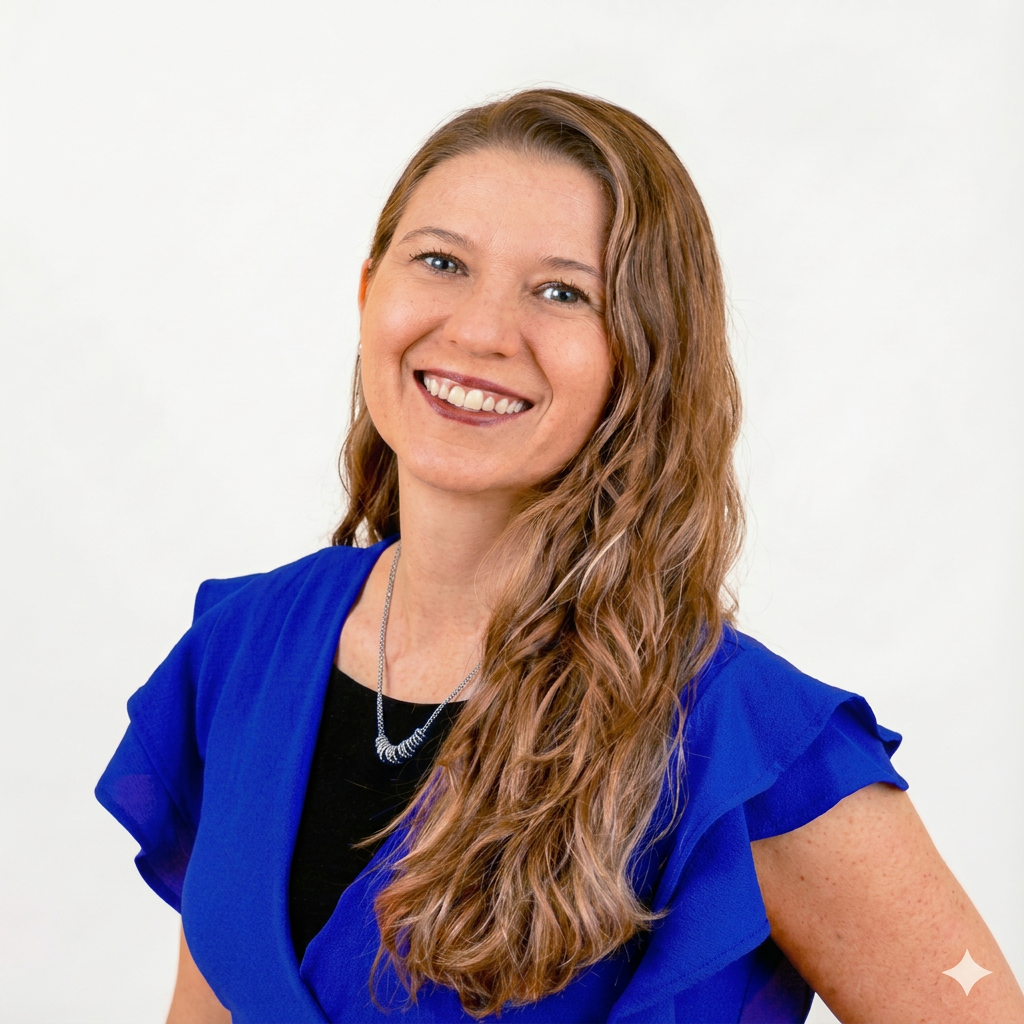
Tamara Katayama TorresTamara Katayama Torres, ND, NBH-HWC
CEO, Todai Health

Apply to a collaboration track

Track 1 — Professional Practice · Track 2 — Community Partnership · Track 3 — Research Observation

If you already sent us an email, no need to submit this form again.

Foundations & grant bodies

Representing a foundation, public health agency, or grant body? We are open to conversations about supporting early-stage behavioral intervention infrastructure for diabetes.

hello@todaihealth.com →

Have a question first?

Initial conversations are always without obligation.

hello@todaihealth.com →

Follow our progress

One email per month. The people on our list will be the first to know when the full app launches.